Cold season in the Lviv region: children are at risk
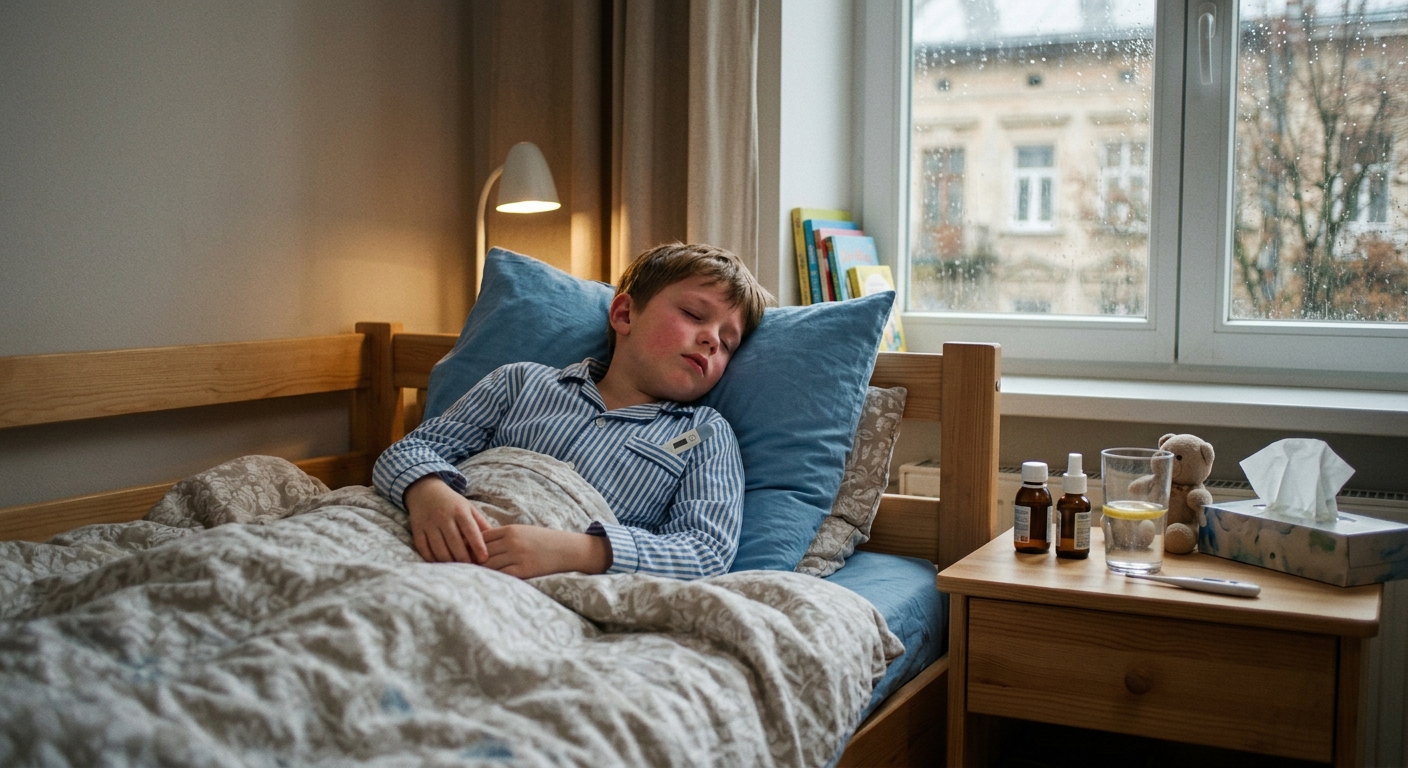
Respiratory viral infections have become more prevalent in the Lviv region, with approximately half of the affected individuals being children. Medical professionals are reminding people about the dangers of influenza and the importance of timely protection. This year, the supply of vaccines to Ukraine has been delayed due to updates to the World Health Organization's recommendations regarding the vaccine's composition.
In the Lviv region, the number of cases of acute respiratory viral infections (ARVI) has traditionally increased with the arrival of October. According to epidemiologists at the Lviv Regional Centre for Disease Control and Prevention, thousands of new cases are registered each week, with over 50% of these affecting children of school and preschool age.
Doctors explain that the main reason for this is the return of children to organized groups after the summer holidays, where they actively interact with each other, and light viruses quickly spread in enclosed spaces. Family doctor, Tetyana Bereznyuk, noted that the number of cases is increasing, but this is not yet the peak of the virus.
Unlike common colds, the flu is a more aggressive and contagious viral illness that can cause serious complications. It starts suddenly – with a rapid increase in body temperature (to 38–39 °C and above), severe headache, body aches, muscle pain, and general weakness. Some of the most dangerous consequences of the flu include bacterial pneumonia, bronchitis, myocarditis, and the worsening of chronic illnesses.
The groups at highest risk include young children (especially those under 5 years old), pregnant women, elderly people (over 65 years old), patients with chronic illnesses, and individuals with weakened immune systems. This category also includes healthcare workers, teachers, shop assistants, public transport drivers, and workers in the service sector who regularly interact with a large number of people.
To strengthen the body and reduce the risk of infection, family doctor Tetyana Bereznyuk recommends following basic preventive measures: ensuring adequate nighttime rest, maintaining an active lifestyle outdoors, following a balanced diet, avoiding crowded places, and dressing appropriately for the weather.
The most specific and effective protection against the flu is vaccination. This season, the supply of vaccines in Ukraine is delayed due to updates to recommendations from the World Health Organization (WHO) regarding the three components of the vaccine, to ensure effective protection against new, current strains. The exact date when the medications will be available for sale is currently unknown. Vaccination against the flu is not included in the National Calendar of Mandatory Vaccinations; it is administered at the patient's own expense after the medications are available in pharmacies. Immunity after vaccination develops over 2–3 weeks, so it is recommended to get vaccinated at the beginning of autumn, but not too late during the entire epidemic season.